Premium Window Tint Chattanooga: Enhance Comfort and Style for Your Vehicle
Understanding Window Tint Chattanooga
What is Window Tinting?
Window tinting is the process of applying a thin film to the glass surfaces of vehicles, homes, or commercial properties. This film can vary in shade, composition, and functionality, allowing owners to customize both aesthetics and performance. The primary purpose is to reduce glare from sunlight, improve privacy, and enhance the overall appearance of a space or vehicle. Window tinting can also offer additional benefits such as UV protection and heat reduction, making it a popular choice among vehicle and property owners alike.
Benefits of Window Tinting
Choosing to invest in window tint Chattanooga brings multiple benefits, enhancing both comfort and functionality. Some of the notable advantages include:
- UV Protection: Window films block up to 99% of harmful UV rays, reducing the risk of skin cancer and protecting your vehicle’s or home’s interior from fading.
- Heat Reduction: Tinted windows can significantly lower the temperature inside a vehicle or room, making it more comfortable, especially during hot summer months.
- Privacy and Security: Tinted windows offer higher levels of privacy, discouraging prying eyes and providing a sense of security.
- Glare Reduction: Glare from sunlight can obstruct vision, making driving unsafe. Window tints mitigate this issue, improving visibility and comfort.
- Enhanced Aesthetics: Tinted windows provide a sleek and modern look, enhancing the overall appearance of the vehicle or property.
Types of Window Tint Film
There are several types of window tint film available, each designed to cater to specific needs and aesthetic preferences. Notable types include:
- Dyed Film: This classic option uses dye to reduce glare and improve appearance. It’s cost-effective but may not offer the highest heat rejection.
- Metalized Film: Featuring microscopic metal particles, this film blocks heat and provides higher durability than dyed options.
- Carbon Film: This film is popular for its excellent heat rejection and aesthetic appeal without metal, which can interfere with electronic devices.
- Ceramic Film: Offering superior heat rejection, this premium film does not interfere with signal clarity, making it a preferred choice for high-end vehicles.
- Hybrid Film: Combining elements of dyed and metalized films, hybrid options provide a balance of durability and aesthetic appeal.
Choosing the Right Window Tint Chattanooga
Factors to Consider Before Tinting
When considering window tint Chattanooga, several factors should be kept in mind to ensure the best choice tailored to individual needs:
- Legal Restrictions: Be aware of local laws regarding tint darkness and type, as these can differ by state or municipality.
- Purposes of Tinting: Determine your primary reason for tinting—whether it’s for privacy, protection, or aesthetic appeal—to choose the right type.
- Climate Considerations: If you live in a high-sun area, opt for options that provide superior heat rejection and UV protection.
- Budget: Assess how much you’re willing to spend and remember that higher-quality films often come with longer warranties and better performance.
Legal Regulations for Window Tinting
Before proceeding with window tinting, understanding legal regulations is essential. Various states have different laws that dictate the allowable tint percentages. In Tennessee, the front side windows must allow more than 35% light transmittance, while the back side and rear windows have no restrictions. Violating these laws can result in fines, so it’s advisable to familiarize yourself with local regulations or consult with an expert.
Professional vs. DIY Tinting
Choosing between professional installation and a DIY approach can affect both the quality of the tint and its longevity. Here are some factors to consider:
- Expertise: Professional installers have the knowledge, skills, and tools required for a flawless finish and can handle custom jobs effectively.
- Cost: DIY kits may seem cheaper, but mistakes can lead to additional expenses in terms of wasted materials and rework.
- Warranty: Many professional services offer warranties on installations, providing peace of mind in case of defects or bubbling.
Window Tint Installation Process
Preparation Steps Before Installation
Preparation is key to a successful tinting job. Follow these steps to ensure proper installation:
- Clean the Windows: Ensure the windows are thoroughly cleaned. Use a mild glass cleaner and lint-free cloths to remove all dust, grease, and debris.
- Choose the Environment: Select a controlled environment for installation, ideally a garage or shaded area, to prevent dust from settling on freshly tinted surfaces.
- Gather Materials: Collect all necessary tools, including a utility knife, squeegee, spray bottle, and a heat gun (if needed).
Step-by-Step Installation Guide
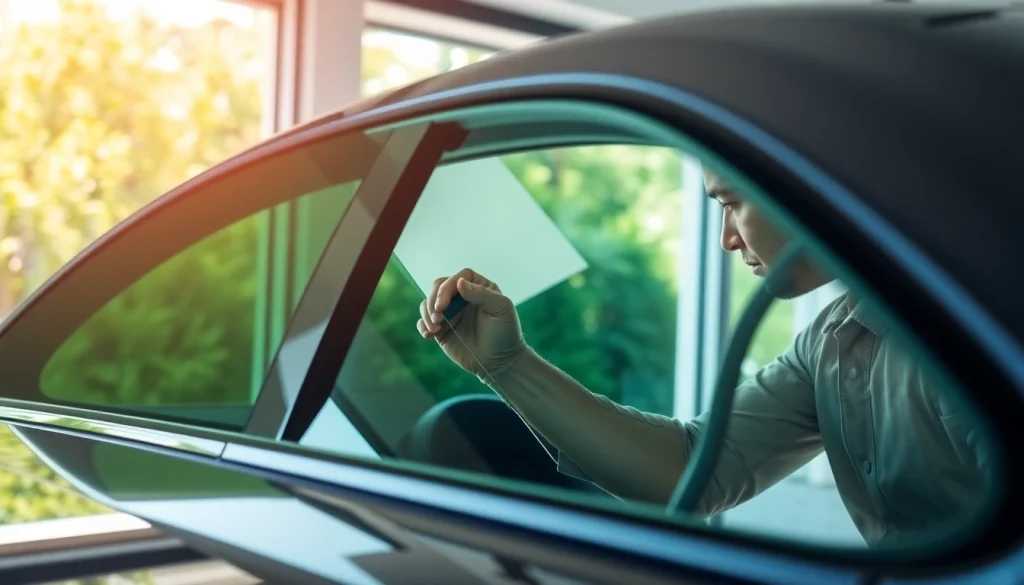
The installation process varies based on the type of tint and the professional or DIY approach taken, but generally, it includes the following steps:
- Measure and Cut: Measure the window dimensions and cut the film accordingly, ensuring it’s slightly larger than the glass.
- Apply the Film: Remove the adhesive backing and apply it to the window, aligning it carefully with the edges.
- Squeegee Out Air Bubbles: Using the squeegee, gently push out any air bubbles or excess solution from under the film.
- Trim the Edges: Once the film is applied correctly, trim off any excess with a utility knife for a neat finish.
- Heat (if necessary): Some films require heat to conform to curves; use a heat gun cautiously to avoid damaging the tint.
Post-Installation Care for Your Tint
After installation, proper care is crucial for longevity and aesthetics. Here are some tips:
- Avoid Water: Do not roll down windows or allow water contact for at least 48 hours after installation.
- Use Soft Cloths: When cleaning, use soft materials to protect the tint from scratches and keep it looking fresh.
- Be Gentle with Edges: Avoid aggressive scrubbing near edges where bond integrity is crucial.
Common Misconceptions About Window Tint Chattanooga
Debunking Myths About Window Tinting
There are several myths surrounding window tinting that can lead to misunderstandings. Some common misconceptions include:
- Myth 1: Tinted windows are only for luxury vehicles. Fact: Tints can benefit all vehicles and are available at various price points.
- Myth 2: Window tinting will make it too dark inside. Fact: There are various tint levels that allow for natural light while offering privacy.
- Myth 3: Tinting damages the windows. Fact: When applied properly, it enhances the glass’s durability and protection.
Addressing Common Concerns
Many potential customers have concerns when it comes to window tinting. Here are answers to some common questions:
- Will tinting void my car warranty? Most manufacturers do not void warranties for tinting as long as it is installed correctly.
- Can I use my windows immediately after tinting? It’s recommended to wait at least 48 hours to ensure the tint fully adheres.
Recognizing Quality Tinting Solutions
When selecting a tinting solution, look for certain indicators of quality:
- Warranty Coverage: Quality films often come with warranties that cover peeling, bubbling, and fading.
- Product Reviews: Look for customer reviews and testimonials to gauge previous experiences and satisfaction.
- Certification: Choose installers or products that are certified by industry standards, ensuring best practices are followed.
Frequently Asked Questions about Window Tint Chattanooga
What are the benefits of window tinting?
Window tinting reduces UV exposure, lowers heat, improves privacy, minimizes glare, and enhances aesthetics, making it a worthwhile investment.
How long does window tint last?
With proper care, quality window tint can last anywhere from 5 to 15 years, depending on the type of tint and environmental factors.
Is window tinting legal in my area?
Window tinting laws vary by state. It’s essential to check local regulations regarding allowed tint percentages before installation.
Can I wash my car after tinting?
It’s advisable to wait at least 48 hours before washing your car or rolling down the windows to ensure complete adhesion of the film.
How do I choose the right tint percentage?
Selecting the right tint percentage depends on personal preference, desired privacy levels, and legal regulations in your area, so it’s crucial to balance these factors.