
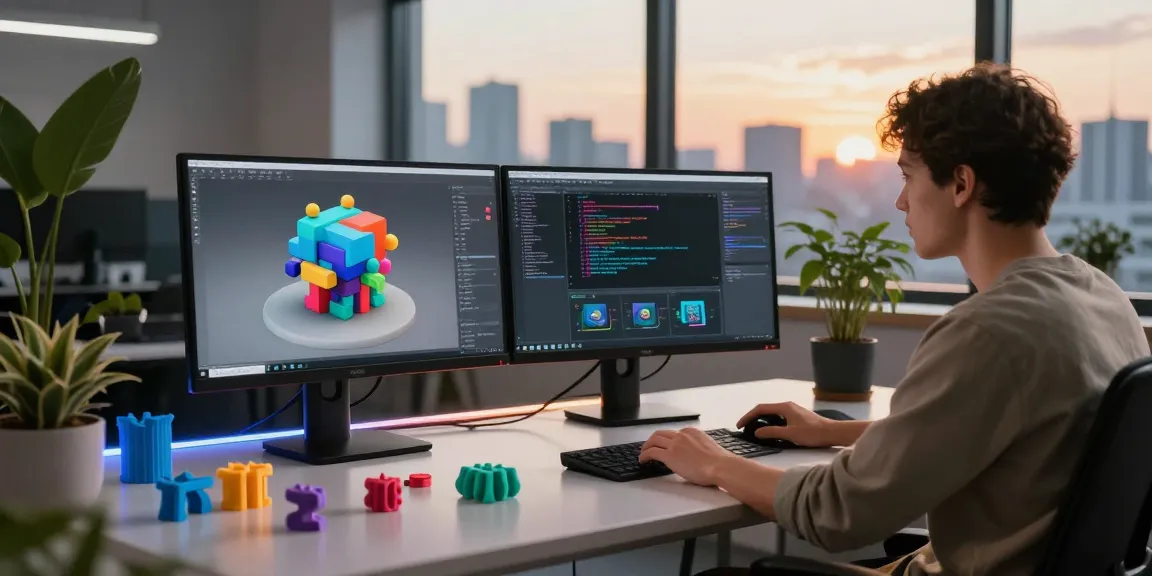
Understanding 3D AI Generators and Their Benefits
In recent years, the demand for high-quality 3D models has skyrocketed across various industries, from gaming and film to product design and education. This surge has birthed innovative solutions like 3D AI generators, which simplify the complex process of 3D modeling. With tools that allow users to create intricate 3D assets from mere text or images in mere seconds, the barriers that once hindered engagement in 3D creation are vanishing. When exploring options, generateur 3D IA provides comprehensive insights into how these tools can transform workflows and inspire creativity.
What is a generateur 3D IA?
A generateur 3D IA, or AI 3D generator, is a sophisticated software tool that utilizes artificial intelligence and machine learning algorithms to automate the creation of 3D models. Users can input textual descriptions or upload images, which the AI processes to generate highly detailed and production-ready 3D assets. This approach not only streamlines the modeling process but also enhances the quality of the outputs, making it accessible to both novices and professionals.
Key advantages of using 3D AI technologies
1. Speed: Traditional 3D modeling can be time-consuming, often taking days or even weeks to complete a high-quality model. AI generators can produce results in minutes, allowing users to iterate and refine their designs rapidly.
2. Accessibility: With no prior experience required, anyone can create 3D models. This democratization of technology opens the doors for artists, designers, and developers who may have felt intimidated by traditional modeling methods.
3. Cost-effectiveness: By reducing the time and resources needed for model creation, businesses can lower their operational costs significantly. This affordability is especially valuable for startups and independent creators.
4. Consistency: AI tools ensure that the output is consistent in quality and style, which is critical for projects that require multiple assets to look cohesive.
5. Versatility: From character design in video games to architectural visualizations, the applications of 3D AI generators span numerous fields, making them a versatile asset for any creative team.
Common applications across industries
The versatility of 3D AI generators allows them to be used across various sectors, including:
- Film and Animation: Rapidly generate characters, environments, and props for use in storyboarding and pre-visualization.
- Gaming: Create playable assets and backgrounds quickly, enhancing the development workflow and allowing for more creative iterations.
- Product Design: Model prototypes and marketing visuals to showcase products in a realistic manner before manufacturing.
- Education: Help students learn about design and engineering through hands-on experience with 3D modeling tools.
- Architecture: Visualize structures and landscapes realistically for client presentations and project approvals.
Getting Started with 3D AI Tools
Choosing the right generateur 3D IA for your needs
When selecting a 3D AI generator, consider the specific features that cater to your project requirements. Some tools excel in generating models from text prompts, while others may focus on converting images. Evaluate the user interface, ease of use, and the types of outputs supported (like textures and formats) to find the best match for your workflow.
System requirements and setup for optimal performance
To ensure smooth operation of your 3D AI generator, pay attention to the following system requirements:
- Operating System: Most tools are compatible with Windows, macOS, and some may have browser-based options.
- RAM: At least 8 GB of RAM is recommended for efficient processing.
- Graphics Card: A dedicated GPU can significantly enhance rendering speeds and model processing.
- Internet Connection: A stable connection is essential for cloud-based services, supporting real-time processing and updates.
Initial steps to create your first 3D model
Creating your first model is a straightforward process:
- Sign up for the 3D AI generator platform of your choice.
- Familiarize yourself with the interface and available tools.
- Choose whether you will enter a text prompt or upload an image.
- Adjust any settings or preferences as needed (like resolution, style, etc.).
- Click on ‘Generate’ and watch as the AI creates your 3D model!
Best Practices for 3D Model Creation
Tips for effective text-to-3D model generation
To maximize the quality of your text-to-3D outputs:
- Be descriptive: The more details you provide about the shape, color, and textures, the better the AI can translate your ideas into a model.
- Utilize references: Using images as a reference can guide the AI to produce more accurate results.
- Iterate: Don’t be afraid to refine your text or ask for variations to get the desired output.
Maximizing image quality for superior outputs
When using images, ensure they meet high-quality standards by following these guidelines:
- Use high resolution: Images with a high pixel count will yield better results.
- Clear subjects: The primary subject of the image should be easily identifiable to enhance the AI’s understanding.
- Proper lighting: Well-lit images with clear contrasts help the AI create more detailed textures.
Common mistakes to avoid in 3D modeling
Avoid these pitfalls to enhance your modeling experience:
- Vague descriptions: General prompts can lead to generic outputs. Be specific!
- Neglecting post-processing: Some models may require touch-ups or adjustments after generation.
- Ignoring export settings: Always check that the model is exported in the appropriate format for your intended use, such as .FBX for game engines or .STL for 3D printing.
Integrating 3D Models into Your Workflow
Export formats and compatibility with software
One of the main benefits of using a generateur 3D IA is the array of export formats available. Most tools allow exporting to popular formats like:
- FBX: Ideal for game engines and interactive applications.
- OBJ: A universal format supported by most 3D software.
- STL: Specifically designed for 3D printing.
- GLB/GLTF: Great for web and AR applications.
- USDZ: Compatible with Apple AR applications.
Always ensure compatibility with the software you use, such as Unity, Unreal Engine, or Blender, to avoid any issues during the importing process.
Using generated models in projects: Case studies
Several companies have successfully integrated AI-generated models into their projects:
- Game Development: A popular indie game studio used 3D AI to create immersive environments, accelerating their development timeline by 60%.
- Marketing: A product design team utilized 3D models to visualize their concepts for marketing campaigns, resulting in higher engagement from stakeholders.
- Education: An educational institution incorporated 3D modeling in their curriculum, allowing students to quickly create projects that previously took weeks.
Tips for utilizing an API for seamless integration
For developers looking to integrate 3D AI generators into applications, consider the following:
- Understand the API documentation: Familiarize yourself with all available endpoints and functionalities to maximize the tool’s potential.
- Asynchronous processing: Implement asynchronous calls to allow your application to remain responsive while waiting for model generation.
- Error handling: Build robust error handling into your application to gracefully manage any issues that arise during model generation.
Future Trends in 3D AI Modeling by 2026
Emerging technologies shaping the future of 3D design
The future of 3D design is bright, with several emerging technologies anticipated to reshape the landscape:
- Enhanced AI Algorithms: Future iterations of AI generators will leverage advanced machine learning, leading to even more realistic outputs.
- VR and AR integration: As more applications adopt augmented and virtual reality, 3D modeling tools will need to support these environments seamlessly.
- Collaboration Features: Tools will increasingly offer enhanced collaborative capabilities, allowing teams to work together on 3D projects in real-time.
Predictions for the evolution of 3D AI tools
By 2026, we can expect:
- Greater accessibility: More user-friendly interfaces and support for less technically savvy users will become standard.
- Real-time collaboration: Enhanced cloud capabilities will enable real-time edits and model adjustments from multiple users.
- Cross-platform functionality: Tools will become increasingly integrated across platforms, making sharing and exporting easier than ever.
How to future-proof your 3D modeling skills
To remain competitive in the evolving landscape of 3D AI modeling:
- Stay updated: Regularly check for updates in AI technologies and tools.
- Enhance your skill set: Consider courses on 3D modeling, AI technologies, and software applications.
- Join communities: Engage with fellow creators and industry professionals to share knowledge and insights.
What is the cost of using a generateur 3D IA?
Pricing for AI 3D generators varies widely, often based on the complexity and the capabilities of the tool. Most platforms operate on a credit system, where users purchase credits to generate models. On average, generating a 3D model may cost between 25-35 credits, while image generation may range from 2-4 credits. It’s essential to evaluate the pricing models of different services to find one that fits your budget.
Can I use AI-generated models for commercial projects?
Yes, most AI 3D generators grant users full rights to the models they create, allowing for commercial use without restrictions. This is particularly beneficial for developers looking to implement assets in games, educational content, marketing materials, or any other commercial projects.
What support options are available for new users?
Many platforms offer comprehensive support for new users, including:
- Tutorials and Documentation: Detailed guides on how to use the tools effectively.
- Community Forums: User communities that provide help and share tips.
- Customer Support: Direct support options for immediate assistance with technical issues.